







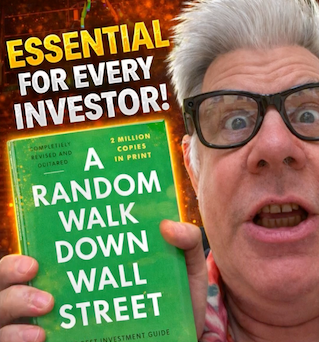
Most investment books try to make you feel clever. This one does something far more valuable: it explains, in plain language, why feeling clever is often the first step toward donating money to the market.
A Random Walk Down Wall Street has been a classic for ages because the core idea refuses to die: markets are messy, competitive, and very good at punishing certainty. If you’ve ever looked at a winning streak and decided you’ve “got a knack”, this book turns up like a polite friend and says, “Lovely. Now let’s talk about probability.”
What it does brilliantly:
- Walks through bubbles, manias, and the recurring human habit of believing the rules have changed (they haven’t—only the slogans do).
- Explains why most stock-picking brilliance fades once you include fees, taxes, and the small detail of being human.
- Makes the boring case for diversification and low-cost investing—boring in the way seatbelts are boring: not exciting, but you’ll miss them when you need them.
It’s not anti-fun. If you want to take the occasional punt on something speculative, you’re an adult. It simply encourages you to separate a sensible plan from a bit of entertainment, and not confuse either with destiny.
Bottom line
Not a get-rich-quick manual. Not a guru sermon. Just a clear, well-argued guide to avoiding the most expensive mistakes people make when they’re sure they’re right. Which is, inconveniently, most of them.